

Why Weight Gain Happens During Perimenopause & Menopause (And What You Can Do About It)


Weight gain during perimenopause and menopause is one of the most common—and frustrating—concerns women bring into our clinic at Optimal Health and Vitality.
Many women report that the weight gain seems to happen “overnight,” despite no changes in diet or exercise. They’re often told to “eat less and move more,” but this advice oversimplifies what is actually a complex, hormone-driven metabolic shift.
The truth? Menopausal weight gain is not just about calories—it’s about biology.
The Real Reasons Behind Menopausal Weight Gain
1. Hormonal Shifts Change How Your Body Stores Fat
Estrogen plays a critical role in regulating metabolism, insulin sensitivity, and fat distribution. As estrogen declines:
· Fat shifts toward the abdomen (visceral fat)
· Insulin resistance increases
· Cholesterol levels worsen
· Appetite regulation becomes impaired
This leads to a higher likelihood of belly fat accumulation and metabolic dysfunction, even without lifestyle changes.
2. Insulin Resistance Increases
During the menopausal transition, the body becomes less responsive to insulin due to:
· Estrogen decline
· Increased visceral fat
· Reduced muscle mass
This creates a cycle of higher insulin levels → more fat storage → more insulin resistance.
3. Cortisol (Stress Hormone) Becomes Dysregulated
Sleep disruption—especially from night sweats—can lead to:
· Elevated evening cortisol
· Blunted morning cortisol
This pattern promotes:
· Fat storage (especially abdominal)
· Increased cravings
· Worsening insulin resistance
4. Muscle Loss Slows Your Metabolism
Women lose 1–1.5% of muscle mass per year during this transition, with the most rapid decline occurring around menopause.
Why this matters:
· Muscle is metabolically active → less muscle = fewer calories burned at rest
· Muscle helps regulate blood sugar → less muscle = more insulin resistance
This creates a vicious cycle:
Muscle loss → slower metabolism → fat gain → inflammation → more muscle loss.
5. Gut Health Changes Impact Weight & Inflammation
Menopause significantly alters the gut microbiome:
· Reduced diversity of beneficial bacteria
· Increased inflammation (“leaky gut”)
· Disruption of estrogen metabolism (estrobolome)
These changes contribute to:
· Weight gain or inability to lose weight
· Fatigue and brain fog
· Increased cardiometabolic risk
6. Menopause Symptoms Create a Feedback Loop
Symptoms like:
· Hot flashes
· Poor sleep
· Anxiety or depression
…can reduce physical activity, disrupt hormones, and worsen metabolic health—making weight management even harder.
What Actually Works: Evidence-Based Strategies
1. Strength Training is Non-Negotiable
Resistance training is the most effective intervention for:
· Preserving and building muscle
· Improving insulin sensitivity
· Increasing metabolism
Best approach:
· Combine strength training + aerobic exercise
· Consider HIIT for reducing visceral fat
2. Optimize Protein Intake
The current recommended daily allowance is often too low for midlife women.
Instead:
· Aim for 25–35g of protein per meal
· Ensure adequate leucine intake (key for muscle building)
· Prioritize protein at breakfast (most commonly missed)
3. Follow a Mediterranean-Style Diet
Focus on:
· Healthy fats (olive oil, nuts)
· Fiber-rich plants
· Lean proteins
· Antioxidant-rich foods
Benefits:
· Reduces inflammation
· Supports gut health
· Improves metabolic function
4. Improve Sleep to Regulate Hormones
Poor sleep directly worsens weight gain.
Key strategies:
· Keep a consistent sleep schedule
· Create a cool, dark sleep environment
· Limit caffeine, alcohol, and screen time
For persistent insomnia:
· Cognitive Behavioral Therapy for Insomnia (CBT-I) is first-line.
5. Manage Stress & Cortisol
Effective approaches include:
· Mindfulness and meditation
· Yoga-based movement
· Relaxation techniques
These interventions can:
· Lower cortisol
· Improve glucose control
· Reduce anxiety and improve sleep
When Lifestyle Isn’t Enough: Medical Options
At Optimal Health and Vitality, we take a personalized, evidence-based approach. For some women, medical therapies may be appropriate:
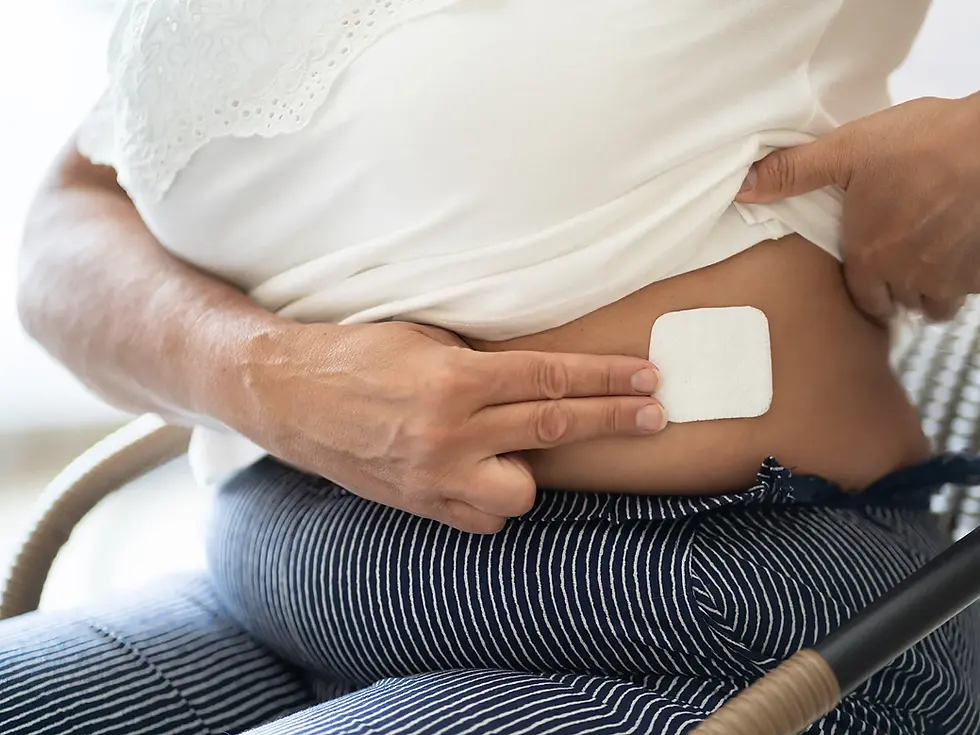
Menopause Hormone Therapy
· Improves insulin sensitivity
· Supports muscle preservation
· Reduces fat accumulation
GLP-1 Medications
· Promote weight loss
· Reduce inflammation
· Improve metabolic health
These options are carefully evaluated based on your individual health profile.
You’re Not Doing Anything Wrong
If you’re struggling with weight gain during perimenopause or menopause, it’s not a failure of willpower—it’s a reflection of complex physiological changes happening in your body.
The good news? With the right strategy, you can regain control of your metabolism, body composition, and overall health.
Ready for a Personalized Plan?
At Optimal Health and Vitality in Prince Frederick, MD, we specialize in helping women navigate perimenopause and menopause with evidence-based, individualized care.
👉 Schedule a consultation today to create a plan tailored to your hormones, metabolism, and goals


Comments